
How to Choose the Right Last War Account for Your Budget


Scrolling through Last War: Survival account listings can feel like shopping with a blindfold on. One account boasts a sky-high power number, another flexes a stacked hero roster, and a third quietly has a maxed-out base and nothing flashy to show for it. They can all cost roughly the same, and still be worth very different amounts to different buyers.
The right account isn't the one with the most. It's the one that aligns with your end goals in the game and your budget to get there. This step-by-step guide helps you figure that out, what to compare before purchasing, and what to check before you commit, so that when you browse last war accounts for sale, you know exactly what you're looking at.
Understand What You Want from a Last War: Survival Account
Before opening a single listing, it helps to be honest about why you’re buying an account instead of starting fresh. Last War rewards different things depending on your goals, and a listing that’s perfect for one goal can be a poor fit for another.
- Faster progression. If you mainly want to skip the slow early grind, an account with a developed base and a decent troop tier matters more than a rare hero collection.
- A specific hero lineup. Last War’s heroes come in different rarities, and top-tier heroes like Marshall, Kimberly, DVA, and Tesla carry real weight in combat. If your goal is a strong squad for raids and rallies, hero rarity and upgrade level should be your main filter, not account power alone.
- Competitive standing. If you want to be is relevant in Alliance wars or server-wide events, look at VIP level, troop tiers, and overall base on the strength together, since those three is combine to decide how your account performs against others on the same server.
- Collecting and completion. Some buyers just want an account with rare skins, mythic gear, or a long list of completed achievements. That’s a legitimate goal, but it usually costs more for assets that don’t directly affect combat power.
Write your priority down before you browse. It keeps a shiny listing from talking you into something you don’t actually need.
Key Factors to Consider When Choosing a Last War Account
Headquarters Level and Overall Progression
Headquarters (HQ) level is the backbone of a Last War account. It gates troop tiers, building upgrades, and most other systems, so a higher HQ level generally means a more capable account. But HQ level alone doesn’t tell you much. Two accounts at the same HQ level can have very different troop counts, building quality, and research completion. Always check what’s actually been built, not just the level number on the listing.
Heroes and Team Composition
Heroes are categorized as Tank, Missile, or Aircraft, and as Attack, Support, or Defense, and a balanced roster generally features good choices across those class types rather than one game-breaking hero and a weak bench. High-tier heroes such as Marshall, Kimberly, and Tesla tend to appear as account highlights, and for good reason: they pack a punch in squads. Consider hero rarity, star level, and skill level as well, not only, which heroes are listed: an UR hero at low skill may be weaker than a well upgraded SSR.
VIP Level
VIP level affects daily bonuses and several base-wide benefits, and it climbs slowly through normal play. Reaching the higher levels through gameplay alone can take years, which is exactly why VIP level is one of the first things serious buyers check: it reflects either a long play history or real money invested, and either way it’s hard to replicate quickly.
Server (Warzone) Age and Activity
Last War organizes players into servers the game calls warzones. Older warzones tend to have more developed player bases and unlocked content, while newer ones are often more active and competitive for fresh accounts. An account on a heavily developed, late-game server may struggle to find its footing if you’re not ready to compete at that level, while the same account on a younger server could be a strong head start. Match the server’s maturity to how much time you plan to invest.
Gems, Resources, and Transfer Tickets
Leftover gems, resources, and Transfer Tickets add real value beyond what’s visible in troop counts or hero lists. Transfer Tickets matter in particular, since they’re tied to the game’s server-change features; an account that already holds some gives you more flexibility if you later want to move servers.
Choose an Account That Matches Your Budget
A higher price doesn’t automatically mean a better account for you. A $300 listing stacked with mythic gear and maxed heroes is wasted money if all you wanted was a quick HQ-level head start. On the other hand, a cheap account with a low HQ level and thin resources won’t save you time if your goal was to skip the grind entirely.
Here's an analogy: Put your money into the one or two things that are the key to your goal, and fewer dollars (or honor, or whatever) on the other ones. For example, if your main goal is heroes, pay up to get your hero level and hero rarity up, and settle for a weak HQ or tiny number of stored resources. If speed of raw progression is your main goal, focus on HQ level and troop tiers rather than a spectacular hero lineup. Very few accounts have all categories maxed out, and those accounts are an order of magnitude more expensive than what they're worth to all but the wealthiest buyers.
Compare Listings Before Making a Decision
Once you’ve narrowed down a few listings, compare them side by side rather than judging each one in isolation. Two examples show why this matters:
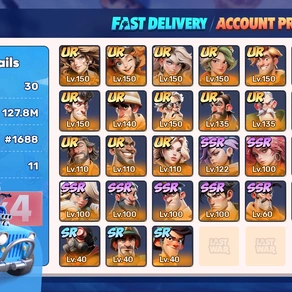
- Account A: Level 29, VIP 11, ~54M profile power, several UR/SSR heroes already leveled up.
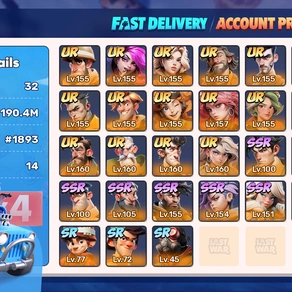
- Account B: Level 34, VIP 13, ~207.6M profile power a much higher number pointing to a more developed base overall.
Neither account is objectively better. The right pick depends on which gap you’d rather close yourself: heroes or base progression. Read the full listing details rather than relying on a headline power number, since that figure can be inflated by base buildings or inactive troops that don’t reflect actual combat strength.
Check These Details Before Buying
A few practical checks protect you from an unpleasant surprise after purchase:
- Confirm the server and platform. Make sure the account’s warzone and platform (iOS or Android) match what you can actually play on.
- Ask about transfer or ownership requirements. Some sellers require an account-rebinding process before handing over login details. Understand what that involves before paying.
- Review the game’s own policies. Account trading sits outside most games’ official terms of service, and Last War’s developer has its own rules on account recovery and transfers. Check those directly rather than assuming the seller’s process overrides them.
- Understand recovery risk. No marketplace can promise that an account will never be reclaimed by its original owner or flagged by the game’s systems. Read a seller’s buyer-protection terms carefully, and don’t treat any guarantee as absolute.
Keeping this section short and specific to the purchase decision is the point: it’s a checklist, not a tutorial.
Where to Compare Listings
Once you know what you’re looking for, the easier part is finding it. BuyAcc is a marketplace where is a you can browse last war survival accounts for sale side by side and compare HQ level, heroes, VIP status, and server details before deciding. Treat it the way this the guide suggests treating any listing: read the specifics, compare more than one option, and buy based on your own priorities rather than whichever account has the biggest number on top.
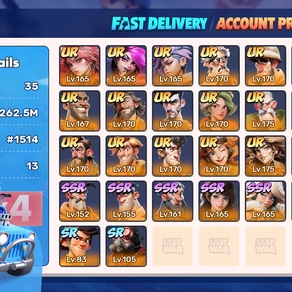
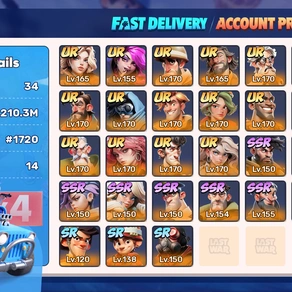
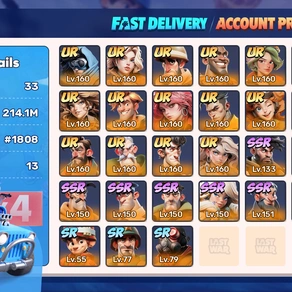
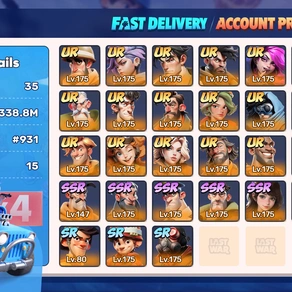
Hot-Selling LastWar Survival accountMore
Conclusion
When picking the right Last War listing, don't just go for the one with the highest stats; choose the listing that best fits your preferences. What is your goal? Do you want faster progression, a stronger hero team, a higher leaderboard position, or more valuable assets? Take into account aspects like HQ level heroes VIP level, server age, and leftover resources when planning your budget. Compare other listings and verify server, transfer, and policy information before making a purchase. When you’re ready to look, browse sell last war account on BuyAcc and compare your options with those priorities in mind.