
Last War Account Scams: How to Spot and Avoid Them


Last War: Survival has a lot of players who have put serious time and money into their bases. That is exactly why a second market has grown around it: people who would rather skip the early grind and start with a strong account. Where there’s money, there are scammers.
I’ll walk through the scams that come up most often, the warning signs that give them away, and what you can do to stay safe whether you’re buying or selling.
Why Last War Account Scams Are Common
A developed Last War account is easy to describe and hard to verify. A high headquarters level, a strong hero roster, big power numbers, and deep research all look great in a screenshot. The problem is that a screenshot is easy to fake or borrow. Add the fact that many buyers are in a rush to catch up with their alliance, and you can see why scammers love this setup. That urgency is exactly what they use against you.
There’s one more factor. Game publishers generally don’t want accounts changing hands, and many prohibit it in their terms. If a deal goes wrong, official support usually won’t step in, which leaves you with only the protections you built into the deal yourself.
Common Last War Account Scams
-
Scams Targeting Buyers
Fake or stolen screenshots. The seller posts impressive screenshots that belong to someone else’s account. After you pay, the account you receive is weaker, or you receive nothing.
The “hack-back” scam. The seller hands over the account, takes your money, then uses the original email or recovery details to take it back. Weeks later, the buyer is locked out with no refund. This is the most painful one, because it can happen long after the sale looks finished.
Payment outside the platform. The “seller” asks you to pay by direct transfer, gift cards, or crypto and promises to deliver afterward. Once the money moves, they disappear. Gift cards and crypto are especially hard to recover.
Fake escrow and middlemen. A stranger offers to act as a “safe middleman” through a private chat or a link. The escrow is fake, and so is the website. Only use the protection built into the marketplace you’re actually on.
Phishing in disguise. A link that claims to be a “verification page” or “account checker” actually steals your login. Never enter your game credentials anywhere except the game itself.
-
Scams Targeting Sellers
Sellers get scammed too. Watch for:
- Forged payment screenshots. A fake buyer sends an image of a payment that never happened.
- “Pending” payment pressure. The buyer claims the money is on its way to rush you into handing over the account first.
- Early login requests. The buyer asks for your login details or codes before any payment is confirmed.
- Stolen cards and later disputes. Some buyers pay with a stolen card, or open a dispute afterward to get their money back and keep the account.
- Fake middlemen and phishing links. The same fake escrow and “verification page” tricks used on buyers are used on sellers, too.
Red Flags to Watch For
You don’t need to be a security expert to spot most scams. Watch for these:
- A price far below similar listings. If one account is half the price of near-identical ones, ask why.
- Pressure to hurry. “Someone else is about to buy it” is a classic push.
- A request to leave the platform. Moving to a private chat or off-site payment removes your protection.
- Vague answers. If the seller can’t say how the account is linked or whether the login can be changed, don’t proceed.
- Requests for codes or passwords up front. Nobody legitimate needs your verification code before the deal is complete.
- No history. A brand-new profile with no track record deserves extra caution.
- Screenshots that look cropped or old. Ask for fresh ones.
How to Verify a Last War Account Before Trading
Verification is what stops most scams before they start. Whether you’re buying or selling, check these things.
Ask for current proof. Request fresh screenshots of the headquarters level, power, heroes, and research. If something looks off, ask for a short screen recording that shows the account’s profile in real time. A genuine seller won’t mind. You can also run a reverse-image search on the screenshots to see if they appear elsewhere.
Request information concerning how the account works. Find out what exactly the account is connected to. This includes email or Google and Apple login, as well as Facebook. Make sure that connections can be updated or removed during the handover. If the seller can keep the email access, prepare for hacking back.
Check that the details match the listing. Headquarters level, power, heroes, and research should all line up with what was advertised. Ask about any restrictions or penalties on the account.
Look at the other person’s history. Check the seller’s profile and feedback, or a buyer’s track record where the platform shows it. A thin history with a big, urgent deal is worth a second look.
How to Buy a Last War Account Safely
If you’re looking at Last War accounts for sale, a few habits will protect you. Compare several listings. Before you decide to buy Last War account details from any seller, look at several similar listings and note the price range. An unusually low price should make you look closer, not rush. Also check the refund policy.
Make sure to communicate and send payment on the platform itself. Stay on top of every step of the transaction by utilizing the secure payment system provided by the marketplace. If anything goes wrong, this will be your proof. Secure your account straightaway by changing the email and password as soon as you receive it.
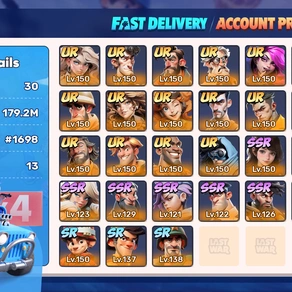
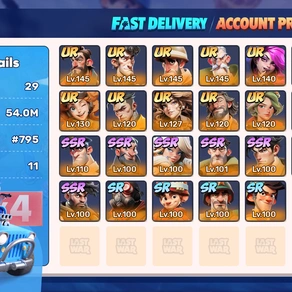
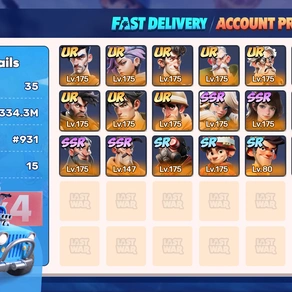
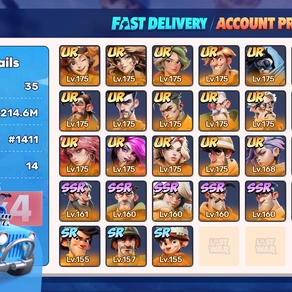
Hot-Selling LastWar Survival accountMore
How to Sell a Last War Account Safely
If you want to sell Last War account progress you’ve built, protect yourself just as carefully.
Prepare and be honest. Start by writing down your headquarters level, power, top heroes, and research progress, then take fresh screenshots so everything you show is up to date. Before you upload anything, take a minute to blur your email, payment details, and recovery info. Those are easy to miss in a screenshot, and they’re exactly what a stranger shouldn’t see. And never let a password or verification code show up in an image or in your listing text, not even for a second. Once it’s posted, you can’t control who sees it. And keep the listing honest: describe only what you can prove.
Don’t hand over anything early. Wait to share login details or codes until the platform’s process tells you it’s time. If a buyer pushes you to skip steps, asks for codes early, or says you have to pay a fee to get your money, treat it as a scam until they prove otherwise.
Confirm payment before transfer. Don’t trust a screenshot of a payment. Confirm the money has actually arrived through the platform’s official system, not just a picture of a confirmation.
Keep your own records. Hold on to your screenshots, your chat with the buyer, and the original details of your account. If a buyer opens a dispute later, these are the things that back you up.
What to Do If You Get Scammed
It’s stressful, but acting quickly gives you the best chance of limiting the damage.
- Stop and don’t send more money. Scammers often ask for extra “fees” to release an account or refund. Don’t pay them.
- Save the evidence. Keep screenshots of chats, listings, payment receipts, and any usernames or links involved.
- Report it to the marketplace. Contact the platform’s support through its official channels right away and share your evidence. If the deal went through the platform, they can review it under their dispute process.
- Contact your payment provider. If you paid by card or another payment service, ask your bank or provider about disputing the charge. Recovery is much harder with gift cards or crypto, but still report it.
- Secure your accounts. If you shared any login details or clicked a suspicious link, change your passwords, update your recovery email, and turn on extra login protection.
- Consider reporting it elsewhere. You can report fraud to your local consumer protection or cybercrime authority.
Be realistic about game support. Because publishers generally prohibit account trading, they may not be able to restore an account you lost in a trade. That’s one more reason to keep the deal on a platform with a dispute process.
How to Choose a Marketplace for Last War Accounts
Not every marketplace works the same way, so it’s worth a quick comparison before you commit. Look at what it charges and when the fee comes out, whether the buyer’s money is held until the deal is finished, how verification works, and what happens if someone raises a problem. A platform like BuyAcc is built around listings, a clear transfer process, and payments handled on the platform. That’s a much safer setup than a random social media group, where you’re relying on a stranger’s word. Still, don’t just take our word for it. Read the current buyer and seller policies yourself, because terms and fees can change. Be cautious about any platform that can’t explain its fees clearly or has no way to reach support.
One thing to keep in mind. A marketplace allowing listings doesn’t mean the game allows account transfers. Check the game’s current terms of service before you buy or sell, because the publisher can restrict or ban accounts that change hands, and a third party can’t guarantee otherwise. Being informed about that risk is part of staying safe.
Last War Account Trading Safety Checklist
| Before you commit | During the deal | After the deal |
| The listing has current, clear screenshots. | Everything stays on the platform. | You change the email, password, and login connections right away. |
| The price fits similar accounts. | No passwords or codes are shared early. | You keep all records until you’re sure everything is settled. |
| You know exactly how the account is linked. | Payment is confirmed, not just screenshotted. | |
| The seller or buyer has a verifiable history. |
Conclusion
Most Last War scams work the same way. They rush you, pressure you, and count on you trusting someone you haven’t checked out yet. So slow down. Look at the account yourself, keep the whole deal on an official platform, and don’t hand over codes or passwords until the process actually calls for it. A few extra minutes of caution cost you almost nothing. Losing an account you’ve spent months building costs a lot more.